
The Currie Cup, a slap in the face of black people
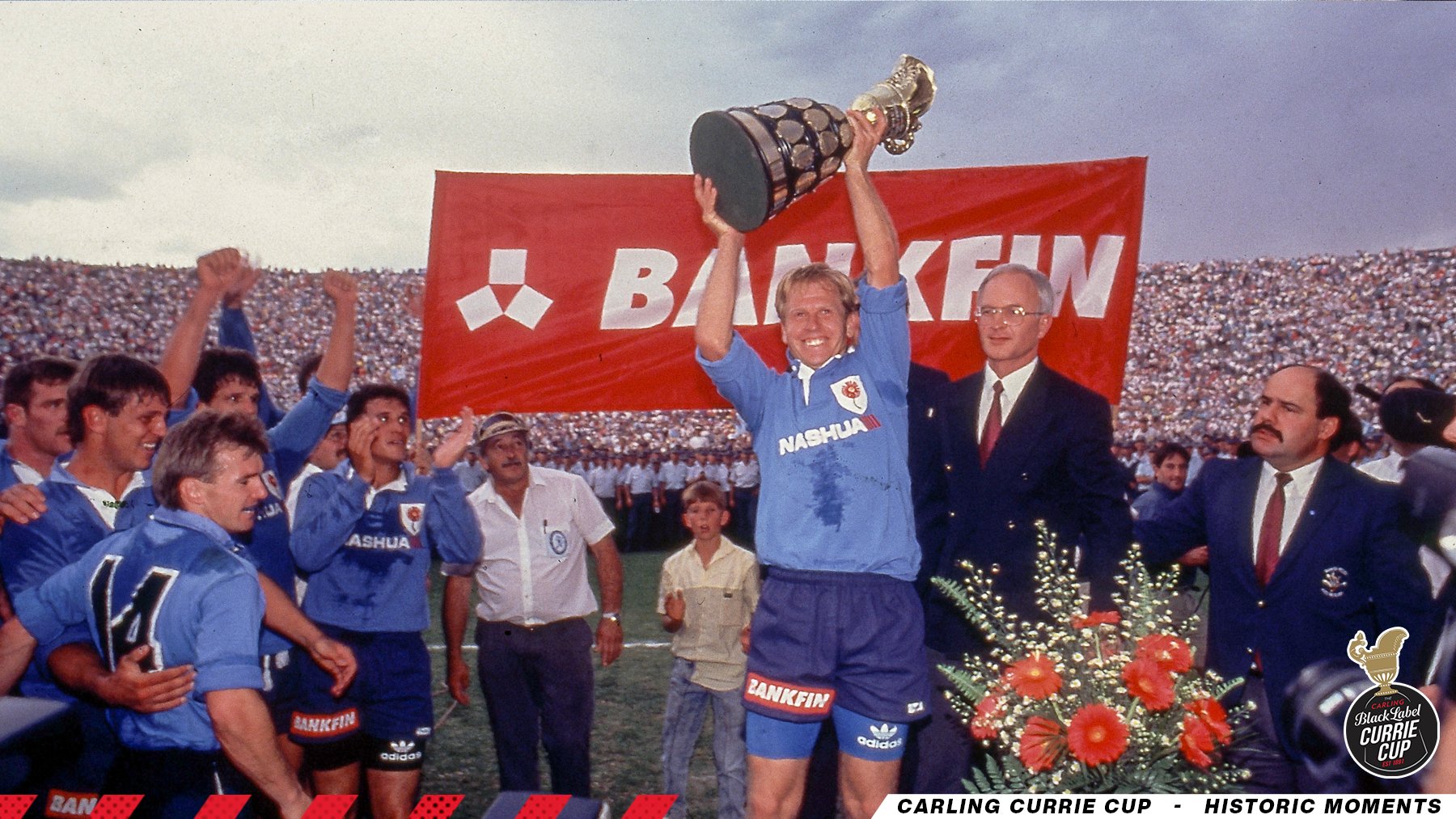
The celebration of the Currie Cup’s achievements from yesteryears, history and longevity the competition carries, is a slap the face of black people. Somehow the Currie Cup, with its long history is a reminder of the cruel exclusivity the apartheid regime forced towards the majority of the country during the era of segregation.
So, the oldest rugby competition, the Currie Cup is kicking off this upcoming weekend, and the excitement is booming because of the sentimental value the competition has too many. One journalist even went on to say “this is the competition that matters, not the Super Rugby Unlocked,” people love the Currie Cup.
I love it too, as a kid in Peddie, Eastern Cape; I grew up listening to the voice of legendary Mhlobo Wenene commentator Mthuthuzeli Scott paint a picture of the finals in the mid-2000s and in the 2010’s I watched it on television. Last year, I covered the Free State Cheetahs in their Currie Cup-winning campaign, it provided me with my first career highlight as a young sports journalist. Everyone loves the competition as it has a sentimental value to many.
Also, there’s a new sponsor in the form of the Carling Black Label. Now with new sponsorship, the marketing and promotion of the tournament have been at a high value, under stably. The Currie Cup is everywhere you go, mostly on the social media spaces, the mood around the Currie Cup is jolly, captains press runs, it’s getting the whole package.
I do follow the Currie Cup account on the social media platform, Twitter. So, on Tuesday, 24 November 2020, they run a celebratory post of Naas Botha’s points-scoring exploits of 1699 points accumulated from 1977 – 1992. I have nothing against Naas Botha, in fact, my 59-year-old aunt once told me how he was the poster boy and how good of a boot he had. But that post was the tipping point, there was another small post that built to this moment.
While Pote Human was still the Vodacom Bulls head coach, the Bulls did a trivia post on Twitter based on a 1980 game Human played which was against the British Lions, when I saw the post, I was rubbed a wrong way; because no black people were allowed to play rugby at that time. The Bulls account was on a roll during that period, they then posted a picture of a packed to full capacity Loftus Versfeld during a match in the ’70s or ’80s, when I saw the post I was pressed because black people were not allowed in the stadium.
Former Springbok scrumhalf Ruan Pienaar, while doing a video interview with the Pro 14 media, was asked about the most important jerseys in his career; he went on to show his debut Springbok jersey which was framed next to a green jersey in he explained that it was his fathers ‘springbok’ jersey and ‘how cool it was for both’ of them ‘to play for the springboks’. My first thought after seeing the clip was if you played for the apartheid ‘springboks’ you never represented the Springboks.
These social media post severed as a reminder of how black people were excluded from the sports during apartheid, and a flaunting of the privilege white people had. I then think about the museums and framed jerseys on the walls of rugby stadiums, they are also a slap in the face of black people.
I firmly believe that all rugby history from the apartheid era should be extinguished. As any celebration of rugby from that time is a glorification of that cruel, oppressive and inhumane system. We should not hail those who played rugby during the apartheid era as legends or say they represented South Africa.
I will continue to try and have dialogues, with SA Rugby, executives, those who played rugby during the era and fans; and have further progressive sidebar features on the topic.